En poursuivant votre navigation sur ce site, vous acceptez l’utilisation des cookies pour nous permettre de réaliser des statistiques de visites et vous proposer des contenus personnalisés.
Pour en savoir plus et paramétrer vos cookies, cliquez ici.

En poursuivant votre navigation sur ce site, vous acceptez l’utilisation des cookies pour nous permettre de réaliser des statistiques de visites et vous proposer des contenus personnalisés.
Pour en savoir plus et paramétrer vos cookies, cliquez ici.

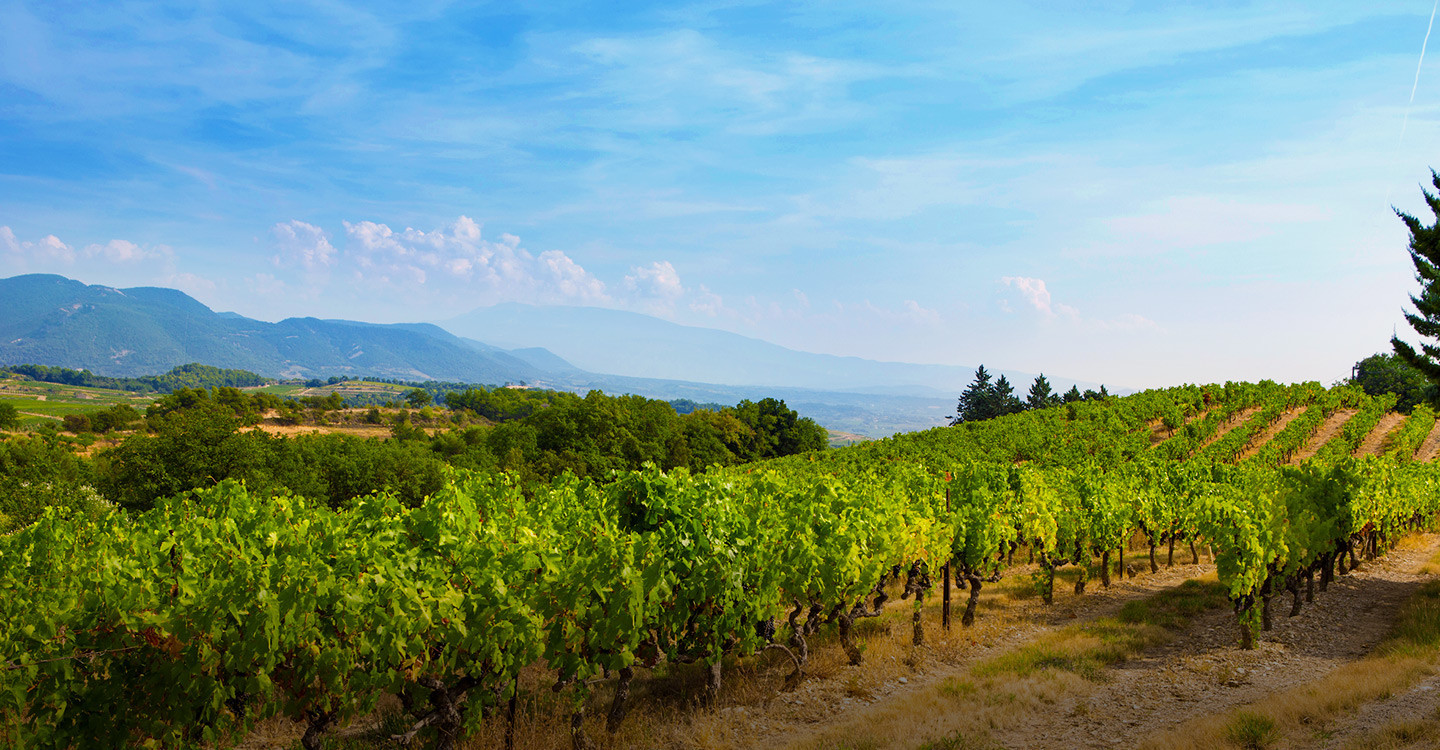
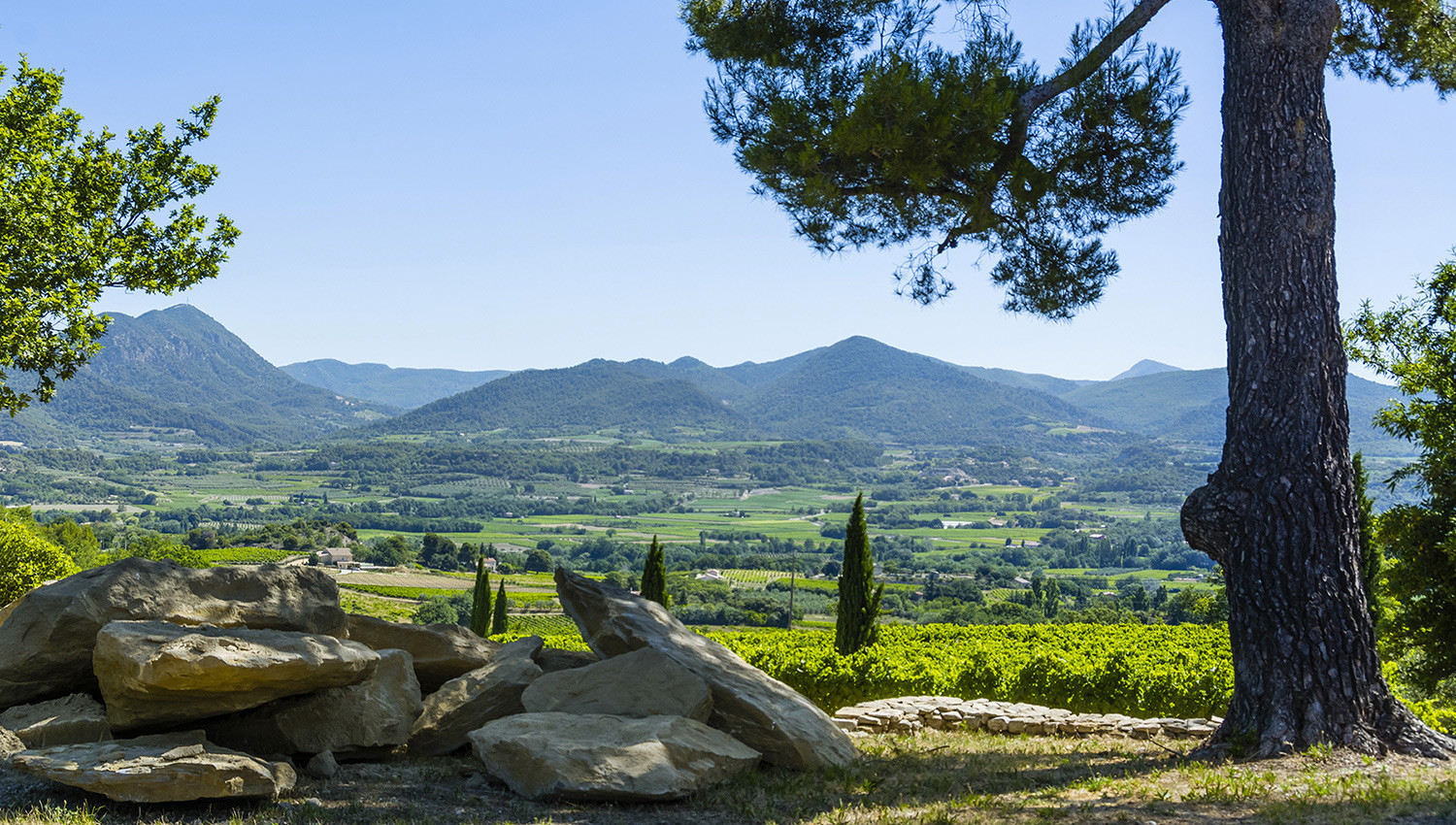
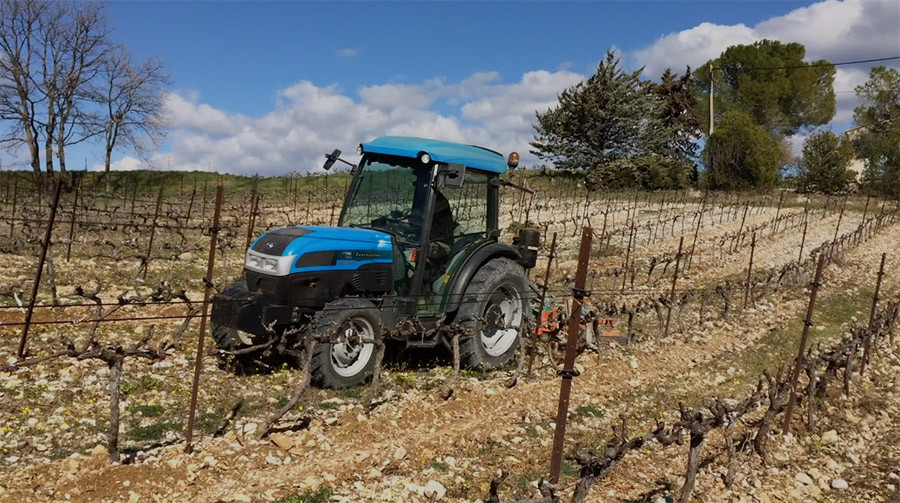
Warm sunshine bathes our terroirs as winter draws to a close. Soft southern breezes blow as our winemakers finish up pruning and training their vine stocks. Pruning requires precision, hard work, and deep respect for viniculture’s skills and traditions: it is the first crucial step in the production of fine wines. Rigorous pruning is essential: it invigorates the vine stocks, ensuring that the grapes produced are as copious as they are flavourful.
Careful pruning and training also prolongs the vine stock’s maturity (the span of years the vines can produce high-quality grapes), ensuring the vineyard’s long-term success. Grapevines are climbing tendril plants and will grow for miles on end unless pruned and trained. On the other hand, the clippers must be wielded with extreme care to avoid injuring the plant or exposing it to fatal fungi and disease.
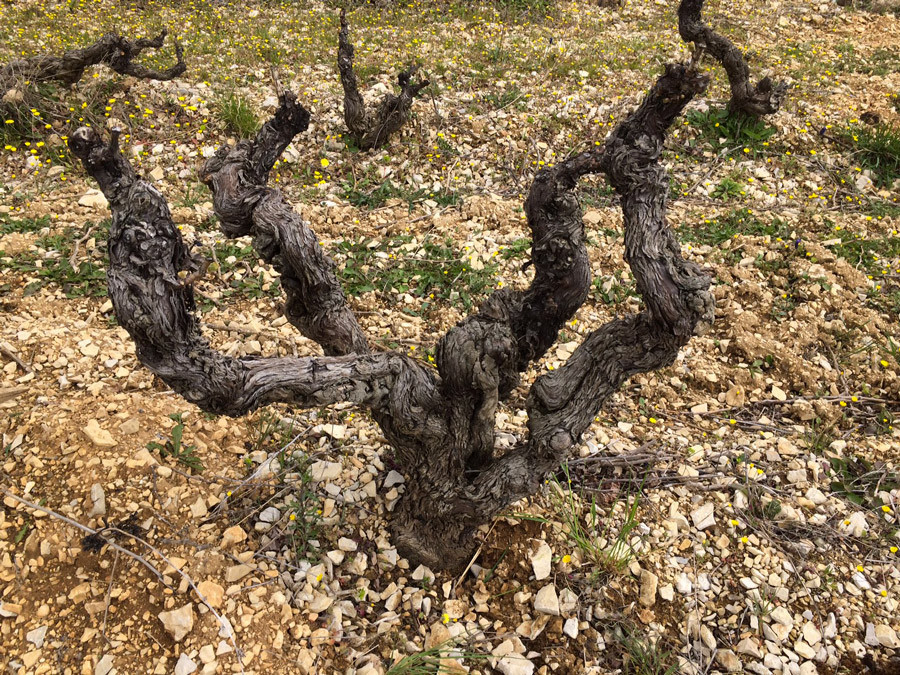
The AOC Côtes du Rhône authorises only two types of pruning: the goblet method and cordon de Royat trellis system. Take a close look at vine stock pruned with the goblet method and you notice 3 to 5 short spur stubs which fan out to form (fittingly) the shape of a wine goblet, hence the name. This type of pruning is found most often in parcels with older vines.
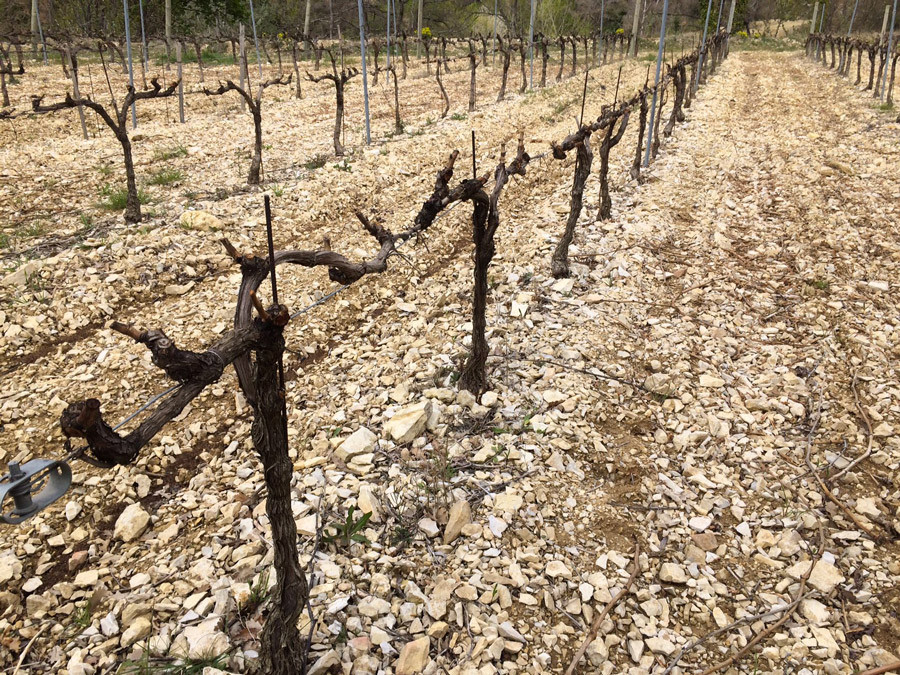
The second method, the cordon de Royat trellis system, shapes vine stocks into a “T.” A vertical trunk supports one or two horizontal branches. With this arrangement all the grapes on the vine get about the same amount of sunshine, yielding more homogeneous grapes.
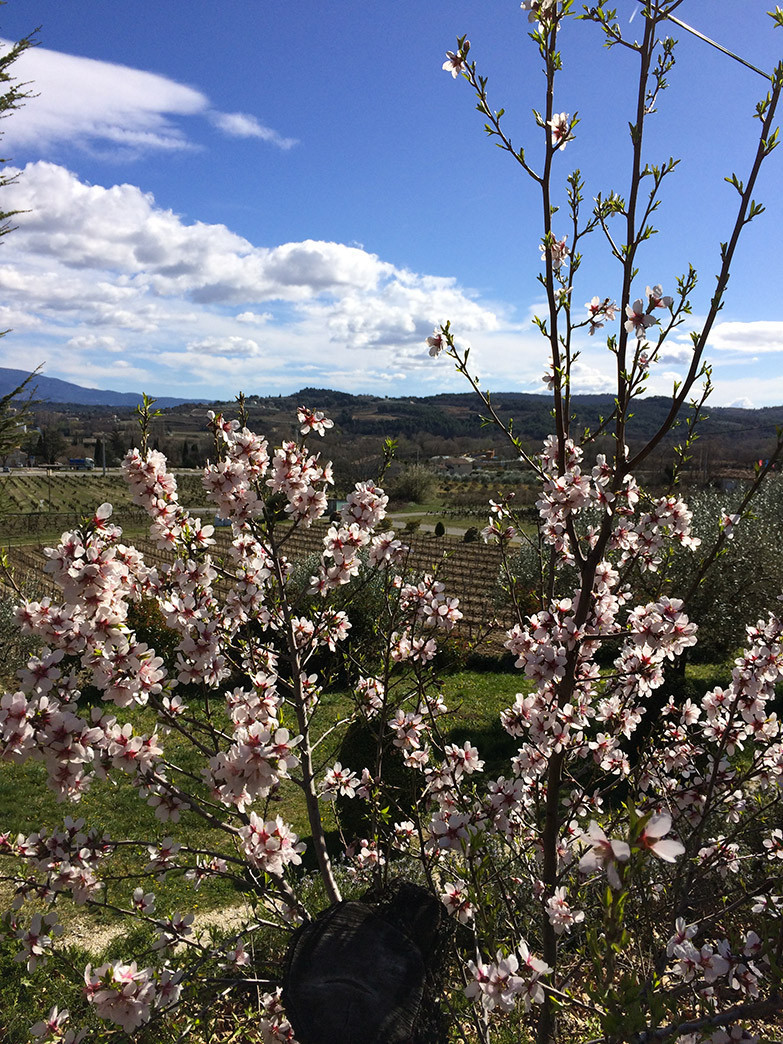
The almond trees are flowering, the earth awakens from its winter slumber, and there’s work to be done on the vineyards’ sunny slopes!